

“Navarra is an attractive place to invest: we are proof of that”
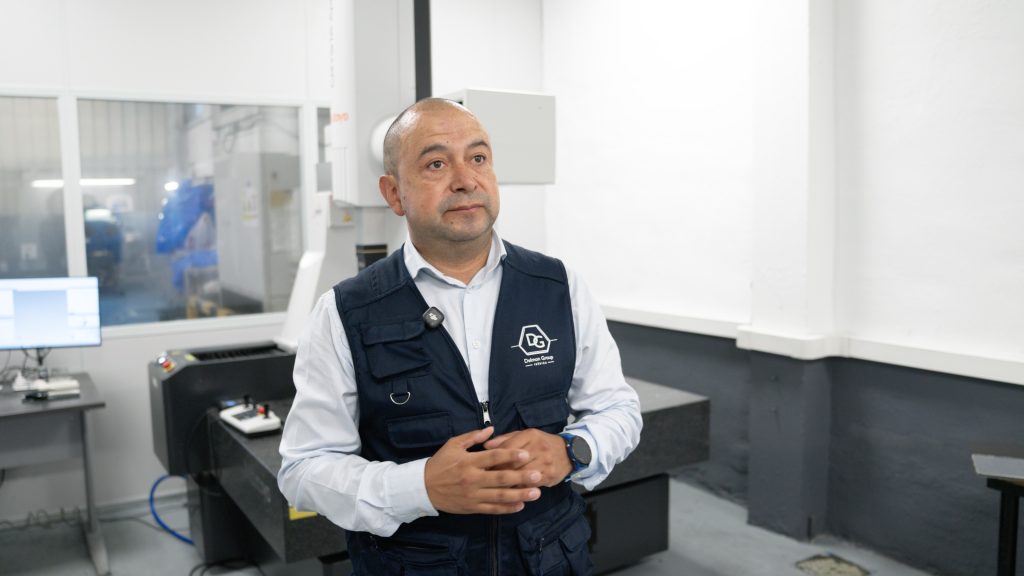
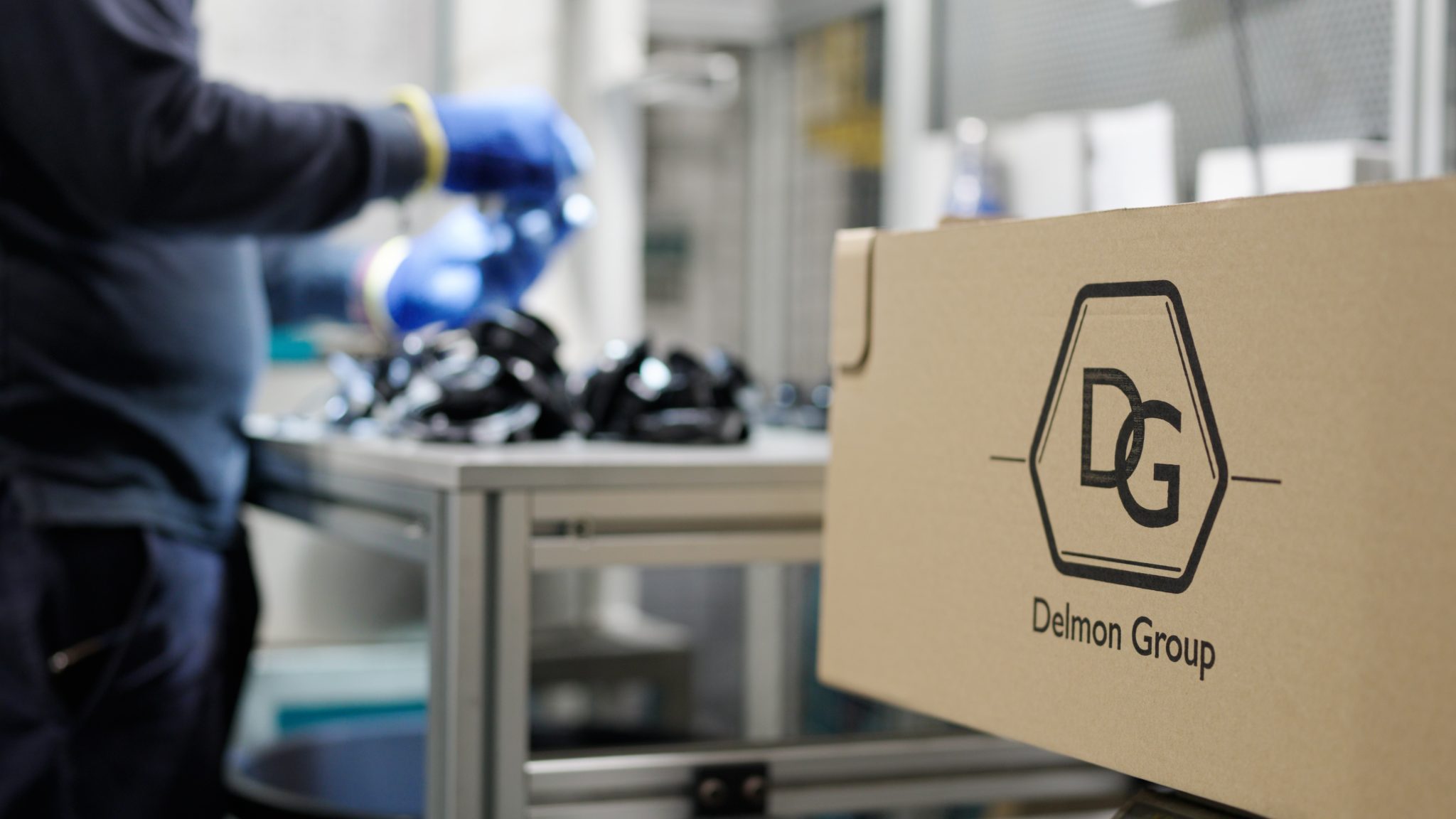
Nearly 80 years after it opened, the Pamplona plant of Delmon Group Ibérica, part of the French Delmon Group, is a world leader in manufacturing rubber and thermoplastic protective boots for automotive driveshafts. Three years ago, the company took a decisive step by launching a new business line in the aerospace sector, based on the high-precision machining of engine brackets, which has already led it to work for one of the main suppliers to Airbus and Boeing. César Contreras, Transformation & Special Projects Director at Delmon Group, tells us how this transformation came about and what role Navarra has played in it.
To begin with, could you briefly outline Delmon Group's history in Navarra and some of the main milestones it has achieved over the years?
As we approach our 80th anniversary, and having been part of several multinational groups over the years, we have been world leaders in manufacturing rubber and thermoplastic protective boots for car driveshafts for decades. This is thanks to the combination of the outstanding quality of the compounds developed and produced in Pamplona and a highly effective industrial business culture. Three years ago, we launched a new business line for the aerospace industry, based on the high-precision machining of engine brackets.
What prompted you to launch this initiative, how has it developed over this time, and what are the main achievements so far and your next steps in this field?
We felt it was necessary in view of long-term trends in the automotive market, as a way to improve profitability and maintain quality jobs. We are already working for one of the leading tier-one suppliers to Airbus and Boeing, and we are in the early stages of industrialisation for other major global players in the aircraft and helicopter market.
What needs has the development of your aerospace business created, and continues to create, in terms of investment, infrastructure, facilities and staff training? What lessons are you learning from the experience, and what challenges or unexpected issues have you had to deal with?
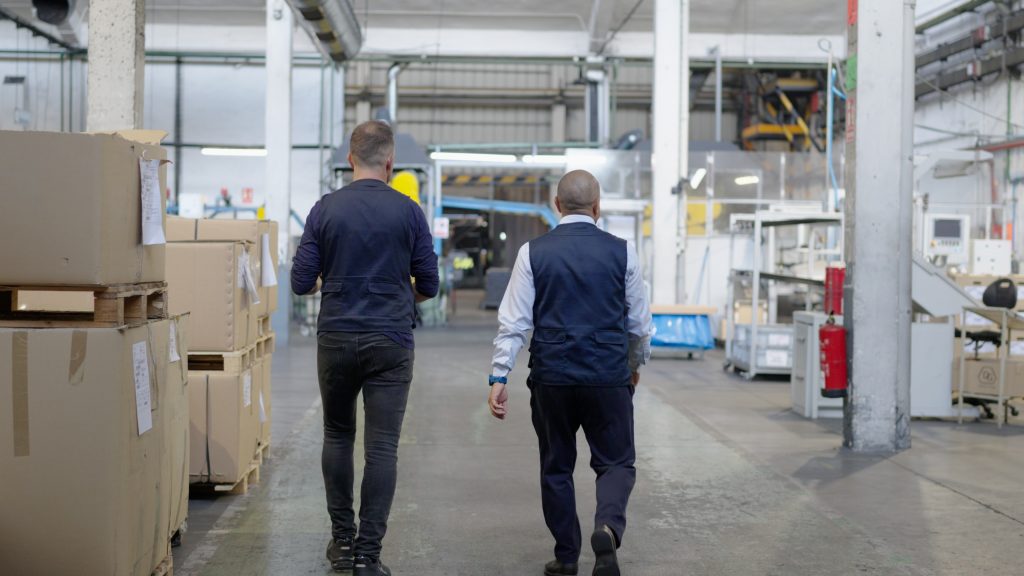
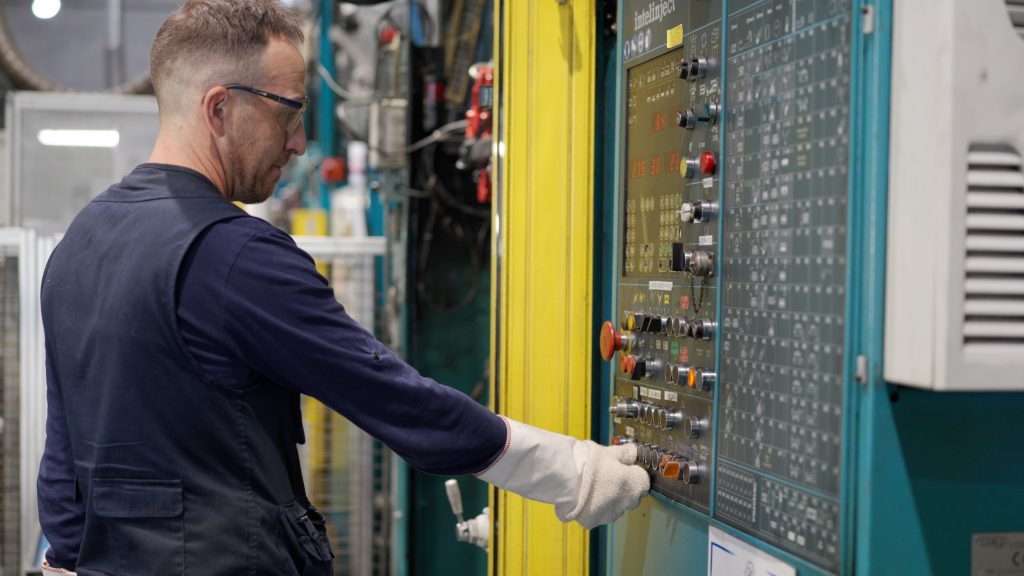
We have invested in machinery and facilities for machining, bonding and auxiliary processes, but the key has been reskilling our workforce. Our staff have been trained in technologies, materials and products completely different from those they had worked with for decades.
We are particularly proud of this and of the way everyone has responded. Today we have professionals in precision machining, dimensional inspection and other processes that were new to us. In a second phase, thanks to our collaboration with vocational training colleges, we have taken on young machining specialists, as well as junior engineers recruited through the Public University of Navarra (UPNA). This close partnership extends to our participation in dual vocational training, which provides a pool of future recruits for us and hands-on experience for students.
Beyond this activity, does Delmon Group feel supported by Navarra's institutions? What level of dialogue and support have you received? In particular, how is Sodena helping to facilitate this process in its role as a link with the Government of Navarra?
We already had a relationship with Sodena, with regular and smooth follow-up of our situation and plans. This relationship is now becoming closer, and it will be essential in this new stage for our company, both in terms of markets, collaboration with other companies and new business lines, and as a guide in our dealings with the administration and public bodies. We have not turned to them much in recent years, so Sodena can play a key role in helping us with administrative procedures that are somewhat unfamiliar to us.
We would like to know whether Delmon Group is sharing its experience and expertise with the rest of the aerospace sector in Navarra. Is there currently any kind of collaboration in this field with other companies or technology centres based in the region?
We take part, with humility given that we are still new to the sector, in every initiative put forward in this field. We attend all the forums that are organised, and we are open to any kind of collaboration and to sharing our experience whenever it may be useful.
Do you think Navarra, with its strengths and opportunities, is attractive enough for foreign investment? What should it strengthen to stand out from other regions and attract more investment?
Yes, it is. We are proof of that, having been part of Swedish and French groups for decades. Navarra has many strengths: the region’s industrial culture, a strong supplier ecosystem, its human capital, the accessibility of its institutions and its infrastructure policies. All of this must continue to serve society by supporting economic activity.
Navarra is one of the Spanish regions with the highest presence of multinational companies and has a high retention rate among them. From your perspective, what strategies should Navarra implement to consolidate this position and ensure it continues to attract and retain more multinationals?
We could ask for improvements in taxation and in the management and coordination of public funding at national and regional level. These are the kinds of issues that the parent companies of international groups value highly when deciding on projects and investments. I’m sure we can all improve. It will be positive for everyone, both companies and the region. Everyone wins.